High-Impact SEO Strategies for Business Owners

As a business owner, your to-do list is likely an endless scroll of operational fires, customer demands, and financial planning. It’s no surprise that Search Engine Optimization (SEO) often gets pushed to the bottom. To many, it feels overly technical, incredibly slow, and—if we’re being honest—a bit like digital alchemy.
But here’s the reality: SEO is one of the few long-term investments that actually compounds. Unlike paid ads, which stop the second you stop paying, SEO builds a digital asset that grows in value. For small and medium businesses, it’s the most sustainable way to build a brand that doesn't rely on a daily "pay-to-play" budget.
The best part? You don’t need a computer science degree to move the needle. Here are a few high-impact SEO wins and growth strategies that can boost your rankings without taking over your entire work week.
1. Play Where You Can Win (Long-Tail Keywords)
A common mistake is trying to rank for broad, hyper-competitive terms. If you’re a local roofer, trying to rank for "roofing" puts you up against national giants and Wikipedia. But if you target "emergency hail damage repair in [Your City]," you’re suddenly competing with a much smaller, local pool.
These are long-tail keywords. They are specific phrases customers use when they are actually ready to buy, not just "window shopping."
The Strategy: Listen to your customers. What specific questions do they ask you on the phone?
- Instead of "Lawyer," think: "How to protect my brand name in [State]."
- Instead of "Plumber," think: "What to do when a water heater leaks in the basement."
Ranking for these specific queries is significantly easier. If you aren't sure where to start, you can follow a step-by-step guide to keyword research to identify the terms that will actually generate leads.
2. Your Google Business Profile is Your Digital Storefront
If you serve a local community, this is your most important "quick win." Your Google Business Profile (formerly Google My Business) is what powers the "Map Pack"—those three local results that appear at the very top of a search.
How to optimize it:
- Accuracy is non-negotiable: Ensure your hours, address, and phone number match exactly across the web.
- The Review Habit: Google loves active businesses. Make it a standard part of your workflow to ask happy customers for a quick review.
- Visuals Matter: Profiles with high-quality photos get significantly more clicks and direction requests. Show off your office, your team, or your finished work.
3. Focus on Being Helpful, Not Just "Optimized"
Google’s entire business model relies on giving users the best possible answer. Therefore, the most effective way to rank is simply to be the most helpful resource in your niche.
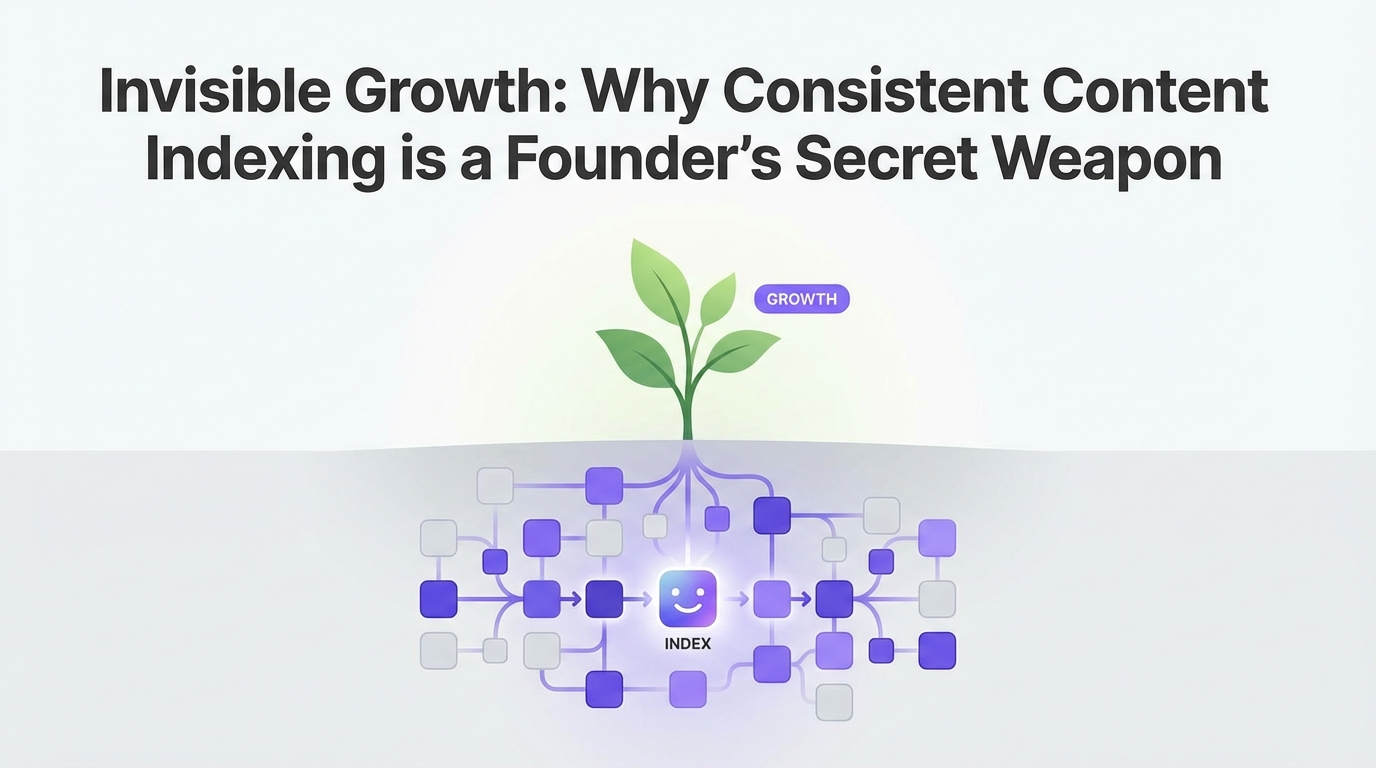
Consistency is usually where business owners trip up. You might write a great blog post in January, then get busy and forget about it until July. However, there are compelling reasons why your business needs a blog, regardless of your industry. SEO is a momentum game, and stopping kills your progress.
The Strategy: Stop writing for search engines and start writing for humans.
- Solve a specific problem.
- Break down a complex industry "secret."
- Create a "how-to" guide that actually helps someone.
When you consistently publish high-value content, you aren't just chasing rankings; you’re building authority and trust.
4. Don’t Let a Bad Website Kill Your Progress
You don’t need to be a developer to handle "Technical SEO." At its core, technical SEO is just about making sure your website isn't frustrating to use. If your site is a headache, Google won't recommend it.
Check these three basics:
- The Mobile Test: Open your site on your phone. Is the text readable? Are the buttons easy to click with a thumb? Most of your traffic is likely coming from mobile.
- Speed: A slow site is a lead killer. Use free tools like Google PageSpeed Insights to see if massive image files are dragging you down.
- Connect the Dots: When you write a new post, link back to your service pages. This helps Google (and your customers) navigate your site more effectively.
5. SEO Doesn’t Work in a Vacuum
The best growth strategies integrate SEO with everything else you’re doing.
- Social Proof: Feature testimonials and case studies prominently. When users stay on your page to read a success story, it signals to Google that your site is worth visiting.
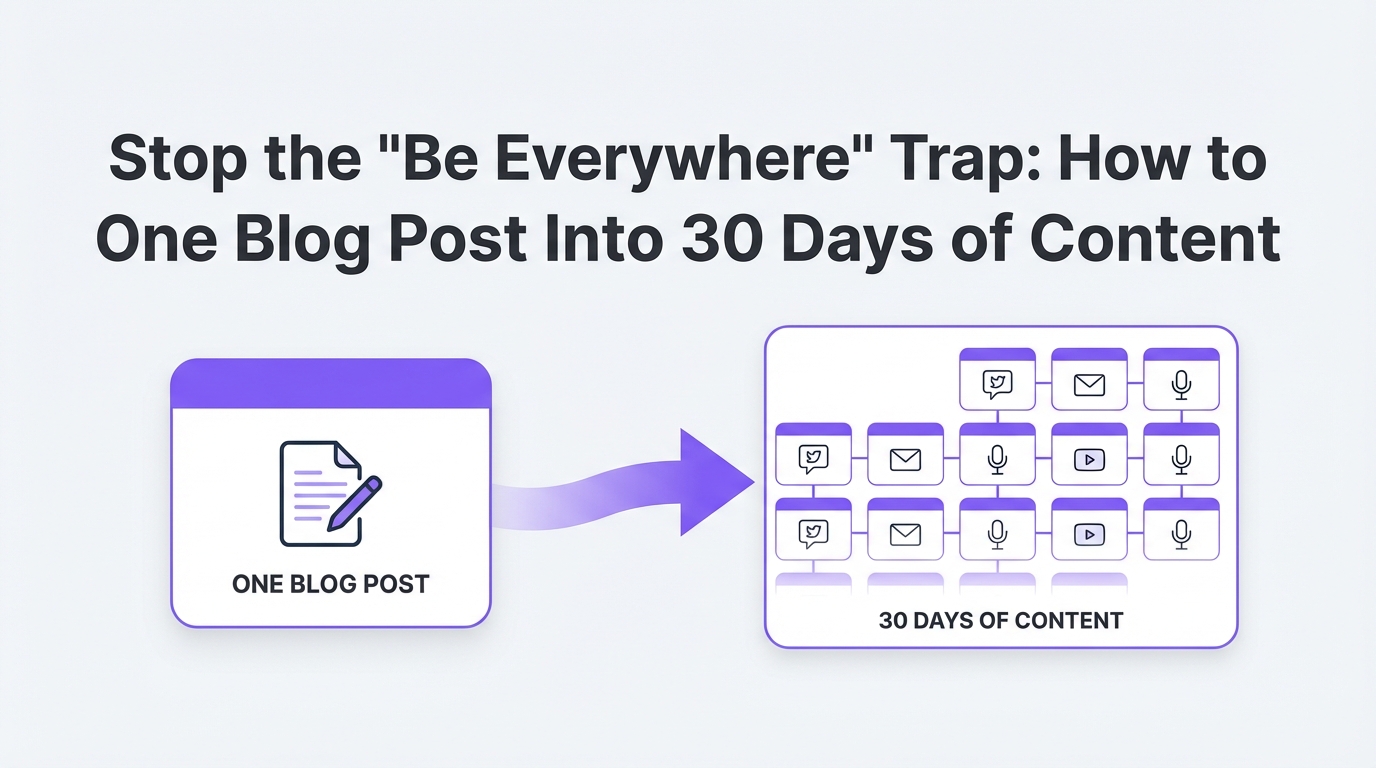
- Repurpose Everything: If you write a deep-dive article that answers a common client question, turn it into three LinkedIn posts and a newsletter. Learning how to repurpose content effectively drives "branded search"—people looking for you by name—which is a massive authority signal to search engines.
6. Solving the "Time" Problem
The biggest hurdle isn't a lack of interest; it’s a lack of hours in the day. SEO requires a level of consistency that most business owners simply can't maintain alone.
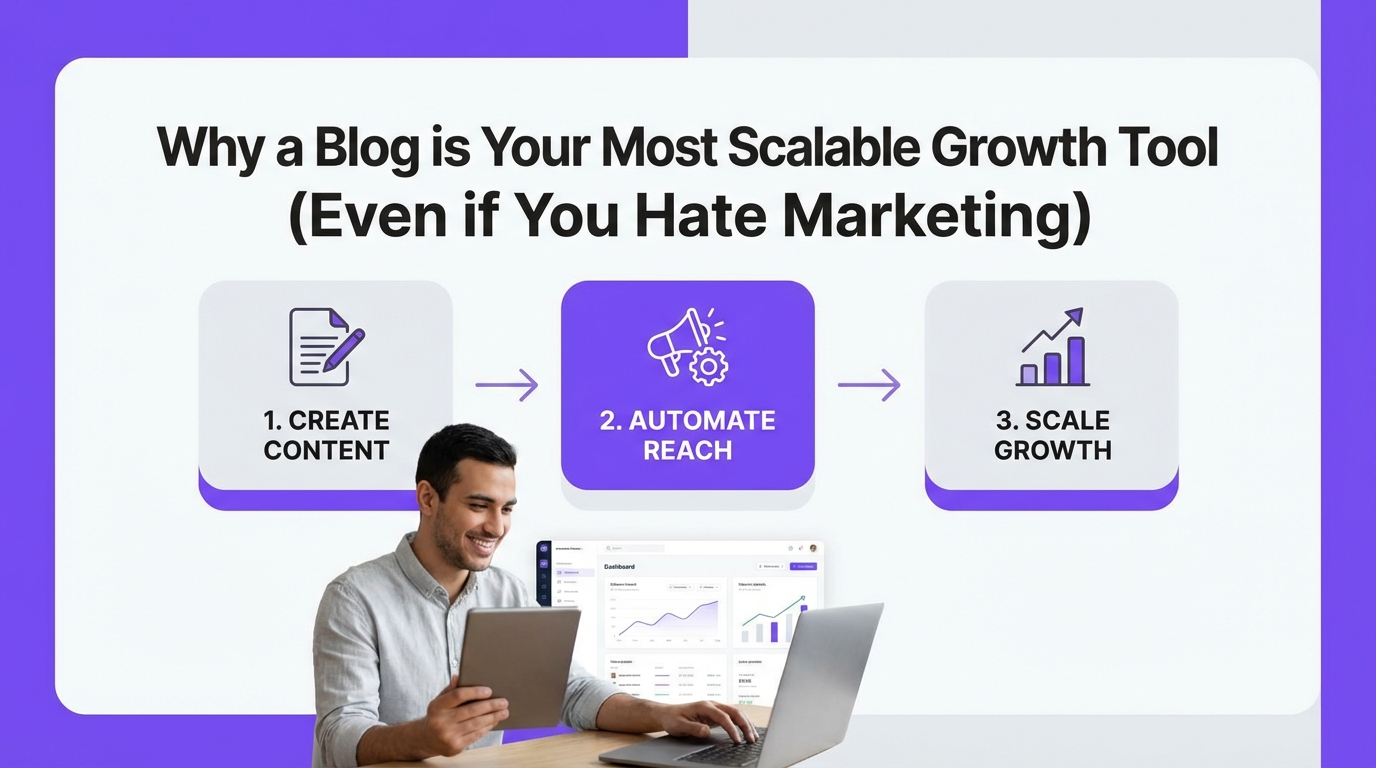
This is where the landscape is shifting. You no longer have to choose between running your business and maintaining a blog. AI-powered tools can now automate your content marketing, handling the heavy lifting—from identifying those "niche" keywords to drafting high-quality, brand-aligned articles that sound like you, not a robot.
By automating the content creation process, you can maintain that essential SEO momentum in the background while you focus on the high-level strategy of your business.
The Bottom Line
SEO isn't about "gaming the system." It’s about ensuring that when your ideal customer has a problem, your business is the one that shows up with the solution.
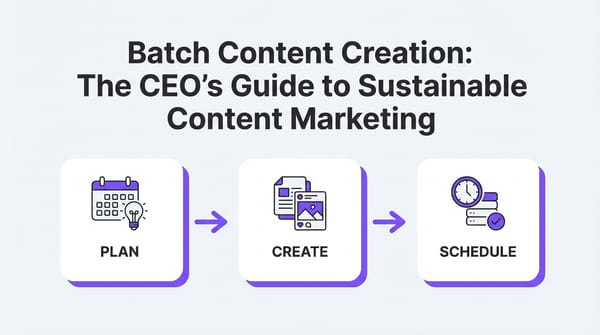
Start small: claim your local profile, answer one customer question a week, and find a way to stay consistent—whether that’s through a dedicated writing block or by using tools like Lexly to automate the heavy lifting for you. The best time to start was a year ago; the second best time is today.
Get actionable content marketing tips - straight to your inbox.
Join the Lexly newsletter for proven strategies, fresh content ideas, and AI marketing tips. No spam, just value.